How to Strengthen Local Visibility and Grow Medspa Practice Sales
@arthurodqd121

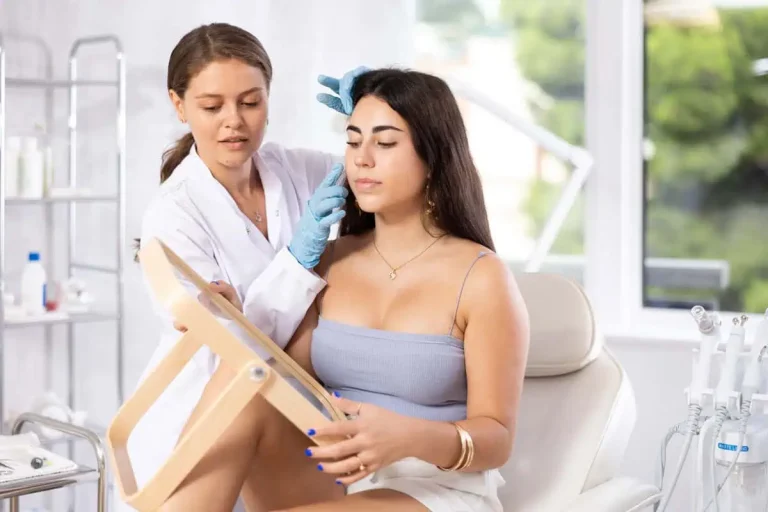

Local visibility is rarely the glamorous part of running a medspa, but it is often the difference between a full calendar and a schedule filled with gaps. Owners usually feel the sales problem first. Consults slow down. High-value treatments become harder to book. Existing patients still like the business, but the stream of new local prospects starts to thin out. What often sits underneath that slowdown is not poor service or weak demand. It is discoverability.
Most medspa owners compete in a tight radius. Patients do not browse nationally for Botox, laser treatments, body contouring, or skin rejuvenation. They search close to home, close to work, or close to a trusted errand route. They compare websites on their phones, scan reviews in seconds, and make fast judgments based on small details. If your business is not showing up clearly and credibly in those local moments, someone else gets the appointment.
That is why local marketing deserves a different kind of attention than broad brand awareness. It is less about noise and more about relevance. A strong local presence puts your medspa in front of people who are already near a buying decision. That directly affects Medspa Practice Sales, especially for consult-driven services where trust and convenience matter as much as price.
Why local visibility drives revenue faster than most owners expect
There is a practical reason local visibility works so well. Most aesthetic services carry some degree of emotional friction. Patients want reassurance before they book. They want to know the provider is reputable, the space is clean and professional, and the experience will feel safe. When a medspa appears repeatedly across local search results, maps, reviews, neighborhood mentions, and social proof, it lowers that friction before the first call ever happens.
I have seen this play out in mature markets where several medspas offer nearly identical service menus. One practice may not have the flashiest branding, but if its Google Business Profile is complete, its reviews are recent, its treatment pages answer real patient questions, and its front desk responds quickly, it often outsells prettier competitors. Visibility earns the click, but clarity and responsiveness convert the lead.
That matters because local traffic tends to be warmer than general traffic. Someone searching “lip filler near me” or “best medspa in Scottsdale” is not casually consuming content. They are close to action. Even small gains in ranking, review quality, or map visibility can create disproportionate sales impact because the intent behind those searches is already strong.
The first mistake: treating visibility like a branding exercise only
A surprising number of medspas invest heavily in aesthetics and underinvest in discoverability. The lobby looks exceptional. The Instagram feed is polished. The treatment rooms photograph beautifully. Yet the website loads slowly, location pages are thin, the practice name is inconsistent across directories, and the review profile is stale.
Patients notice the front-facing brand, but search engines need structure. Local visibility comes from consistency, relevance, and evidence. Your business information must match across the web. Your services must be described in language real patients use. Your reviews must reflect current experiences, not praise from two years ago. If those basics are weak, the brand polish will not do enough heavy lifting.
This is where owners need discipline. Think of local visibility as part sales infrastructure, part reputation management, and part patient education. When those pieces line up, Medspa Practice Sales usually improve without dramatic changes to the service menu.
Start with the Google Business Profile, not your homepage
If you only have time to fix one asset this month, make it your Google Business Profile. For many medspas, it is the most important local storefront online. It appears before a prospect lands on your site. It influences map rankings. It shapes first impressions instantly.
An incomplete or neglected profile quietly drains opportunities. Wrong hours, outdated photos, missing services, and unaddressed reviews send subtle warning signals. Patients may not articulate why they moved on, but they do.
A high-performing profile needs accuracy first. Your practice name, address, phone number, website, and business hours should be exact and consistent everywhere. Category selection matters too. Many medspas stop at broad categories and miss useful secondary categories that better reflect what they offer. Photos should show the actual space, treatment rooms, reception area, and team, not just stock-style beauty imagery. Prospects respond well to authenticity, especially in aesthetics where the environment matters.
The review section deserves special attention. Fresh reviews do more than improve credibility. They influence click-through behavior and often determine whether a prospect calls your office or a competitor’s. The most persuasive reviews mention a specific service, provider experience, and outcome without sounding scripted. A review that says, “I came in for a consultation about IPL and felt informed, not pressured,” is usually more useful than generic praise.
Reviews are not just reputation, they are sales content
Owners often talk about reviews as if they are a passive byproduct of good service. In practice, they are active sales assets. Patients read them to answer questions they may never ask your staff directly. Will I feel judged? Will they push expensive packages? Will the injector explain risks? Does the result look natural? Is parking a hassle? Can I trust them with my face?
That means a review strategy should be intentional. Not manipulative, not fake, just intentional. Timing matters. The best request usually comes when the patient feels the benefit of the visit and the emotional temperature is positive. For some services, that is the same day. For others, particularly treatments with delayed visible outcomes, a later request may produce a stronger review.
Front desk scripting matters too. When staff ask vaguely for “a review if you have time,” results tend to be weak. When they guide the patient more clearly, response rates improve. A simple ask that references the service and how feedback helps local patients often works much better.
Here are four practical review habits that consistently help medspas:
- Ask within a defined workflow, not sporadically when staff remember.
- Send patients directly to the review destination you care about most.
- Respond to every review, including brief positive ones and measured negative ones.
- Watch for recurring language patients use, then reflect that language on your website.
The last point is underused. Patients often describe your value more clearly than your marketing copy does. If multiple reviews mention “natural results,” “never felt rushed,” or “explained pricing clearly,” those are not just compliments. They are buying triggers. Weaving that language into your service pages can improve conversions because it mirrors the concerns prospects already have.
Build service pages for local intent, not generic traffic
Many medspa websites suffer from thin service pages that were written to fill space, not to persuade. A page titled “Botox” with a few vague paragraphs and a stock image is not enough in a crowded local market. Search engines struggle to understand depth, and patients struggle to build trust.
A useful service page answers local, practical questions. Who is the treatment for? What concerns does it address? What does a consultation look like? How long does the appointment usually take? Is there downtime? What should patients know before booking? Why might someone choose this treatment over another option? Which location offers it, if you have more than one?
The page also needs local relevance without forced repetition. Mention the city or neighborhood naturally where it belongs, especially in the title, headings, image alt text, and surrounding content. If your medspa serves several nearby communities, dedicated location pages often outperform one broad page trying to rank everywhere at once.
This is where judgment matters. Do not create a dozen nearly identical pages swapping only city names. Search engines have seen that trick for years, and patients can smell thin content immediately. Each location page should reflect something real, such as local patient behavior, parking and access details, nearby landmarks, provider availability, or featured treatments that perform especially well in that market.
Speed, mobile usability, and booking friction
A lot of local traffic comes from phones, often during brief windows between other tasks. Someone may search after a gym Medspa Practice Sales session, while sitting in their car, or while comparing options during lunch. If your site is slow or hard to navigate on mobile, you will lose prospects before your credentials ever matter.
This does not require a technically elaborate website. It requires a disciplined one. Fast load times, tap-friendly navigation, visible calls to action, and clear booking paths beat visual complexity almost every time. The best medspa sites make it easy to do three things quickly: understand the treatment, trust the practice, and take the next step.
Booking friction is especially expensive. I have seen practices spend heavily on ads only to hide the contact button beneath oversized image banners and generic copy. One medspa I worked with reduced lead drop-off simply by moving the consultation button higher on mobile pages, clarifying financing options, and shortening the intake form. The increase in qualified inquiries came without any increase in ad spend.
For local conversion, less friction usually means more revenue. Prospects should not have to hunt for your phone number, second-guess your hours, or wait days for a callback. That is not only an operations issue. It is a sales issue.
Local content should answer real neighborhood questions
Many owners hear “content marketing” and assume they need long educational articles every week. Most do not. What they need is targeted local content that supports actual patient demand. That means pages, FAQs, and short articles built around the questions people in your market are already asking.
A suburban family-oriented market may respond well to content about treatment scheduling around busy routines, recovery time, and natural-looking outcomes. An urban luxury market might engage more with preventative treatments, maintenance cadence, and provider credentials. The service menu may be similar, but the messaging should not be identical.
Local content also gives your practice more ways to appear in search. A brief but well-written article comparing microneedling and chemical peels for pigmentation concerns can support both rankings and consultations if it reflects the services you truly provide. The same goes for pages on seasonal treatments, pre-event timelines, or when to book a consultation before a wedding, vacation, or reunion. These topics work because they connect search behavior to booking behavior.
There is a caution here. Content should support sales, not distract from them. If a post attracts broad traffic from people outside your service area or from readers who will never become patients, it may inflate vanity metrics while doing very little for Medspa Practice Sales. Reach alone is not the goal. Local commercial intent is.
Local partnerships still work, if they are chosen carefully
Digital channels dominate discovery, but offline local trust still matters more than many marketers admit. The strongest medspas often benefit from carefully chosen relationships in their immediate area. Think of partnerships less as old-school networking and more as trust transfer.
A well-matched collaboration with a bridal boutique, high-end gym, dermatology-adjacent practice, salon, wellness clinic, or women’s health provider can place your brand in front of the right people at the right time. What matters is alignment. A discount-heavy partnership that sends price shoppers may produce inquiries and little else. A partnership built around audience fit and shared standards tends to perform better.
One medspa owner I know built a steady stream of consultations by hosting compact educational evenings with a local plastic surgeon’s office and a boutique fitness studio. The events were small, usually 15 to 25 attendees, but highly qualified. There was no hard sell. Attendees asked practical questions, met the team, and saw the facility. The resulting bookings were fewer than what a large giveaway campaign might promise, but the conversion rate and treatment value were much higher.
That trade-off is worth understanding. Not every visibility tactic should maximize volume. Some should maximize fit.
Front desk performance shapes local sales more than most owners realize
Visibility gets the phone to ring. It does not guarantee revenue. For medspas, the front desk and consult workflow often determine whether local demand becomes booked business.
This is where many practices underperform. They invest in SEO, paid search, social content, and promotions, then let inquiries sit in a generic inbox. Calls go unanswered during lunch. Voicemails are returned the next day. Staff answer treatment questions inconsistently. Pricing is withheld in a way that feels evasive instead of strategic. Every one of those moments reduces conversion.
A strong front desk sales process sounds natural, not pushy. Staff should know how to qualify a prospect, answer common questions, explain the consultation process, address timing concerns, and move the caller toward a booked appointment. They also need enough treatment literacy to guide, not diagnose. There is a difference.
Owners should mystery shop their own practice occasionally. Call as a new prospect. Submit a web form. Ask about a popular service. Check response times on weekends. You will learn quickly whether your local visibility is being supported or wasted.
Promotions can lift sales, but they can also cheapen positioning
Promotions are common in aesthetics because they can create urgency and fill slower periods. Used carefully, they help. Used constantly, they train your market to wait for deals and compare you on price alone.
The healthier approach is selective promotion tied to business goals. If you are trying to introduce a new service, revive dormant patients, or create momentum during a seasonally soft month, a promotion can make sense. If every campaign leads with discount language, your brand starts to lose authority.
This is especially important in local competition. Patients who search nearby options often compare offers quickly, but they still anchor on trust. A medspa with strong reviews, a visible clinical standard, and a credible team can usually avoid racing to the bottom. They may not win every bargain shopper, but they often win the better long-term patient.
When reviewing promotions, look beyond gross revenue. Ask which offer generated the highest rebooking rate, best consult-to-treatment conversion, and strongest average spend over the next 90 days. Those numbers tell you whether a promotion helped Medspa Practice Sales or simply created temporary activity.
The metrics that actually matter
A lot of medspas drown in disconnected marketing data. They know how many impressions a post received, but they do not know which channel drove booked consultations for their highest-margin services. They see website sessions rising, but cannot tell whether local prospects are converting.
The key is to connect visibility metrics to sales metrics. Rankings and traffic matter, but only insofar as they lead to actions that produce revenue. That usually means monitoring how many local calls, form fills, consultation bookings, and treatment starts came from search, maps, referrals, social, and paid campaigns.
If you want a cleaner dashboard, focus on these five signals:
- Google Business Profile views, calls, direction requests, and website clicks.
- New patient consultations by source, especially local organic and maps.
- Consult-to-treatment conversion rate by service category.
- Review volume, recency, and average rating trends.
- Revenue per new patient over 30, 60, and 90 days.
These numbers reveal where the leak is. If visibility is strong but bookings are weak, the issue may be messaging or front desk execution. If bookings are healthy but reviews are stagnant, your long-term discoverability may erode. If lower-ticket services bring in many new patients but few upgrade, your consult process may need work.
Local visibility compounds when the experience matches the promise
There is a reason some medspas seem to gain momentum year after year. Their visibility is not powered by one tactic. It is the result of alignment. The map listing is accurate. The site loads quickly. The service pages educate. The reviews feel current and believable. The front desk follows up promptly. The consultation feels professional and comfortable. Patients leave with enough confidence to tell a friend.
That last part is easy to overlook. Word of mouth is still local search by another name. It just happens in texts, group chats, school pickup lines, gym locker rooms, and neighborhood Facebook groups instead of a browser. The businesses that grow fastest usually perform well in both places. Their digital footprint validates their reputation, and their reputation strengthens their digital footprint.
For medspa owners trying to increase sales, this is good news. You do not need to dominate every marketing channel at once. You need to become easier to find, easier to trust, and easier to book in the local market you already serve. When that happens, growth becomes less erratic. New patient flow improves. Better-fit prospects convert more often. Retention gets easier because the expectations set online match the experience in person.
That is how local visibility stops being a marketing side project and starts acting like a reliable sales engine.
Aesthetic Brokers
800 Silverado St #301A, La Jolla, CA 92037, United States
+1 619-742-0310
FAQ About Medspa Practice Sales
How do I sell my med spa in San Diego?
Begin by defining your goals and organizing financial statements, treatment revenue, membership obligations, equipment records, leases, and staffing information. An advisor can help assess market positioning, identify suitable buyers, and coordinate a confidential process. Qualified legal and accounting professionals should review the proposed transaction structure, agreements, and any ownership or regulatory requirements that apply to your practice.
How do you value a medical practice to sell in San Diego?
A valuation typically considers sustainable earnings, documented adjustments, assets and liabilities, comparable transactions, and the practice's specific risks. For a medical spa, recurring memberships, provider retention, patient concentration, equipment obligations, and dependence on the owner may also affect buyer interest. A tailored assessment is more useful than applying a single multiple to revenue, and an estimated value does not guarantee a final sale price.
How long does it take to sell a medical practice?
The timeline varies with financial readiness, buyer availability, financing, due diligence, lease approvals, and the complexity of the transaction. Preparing accurate records and clarifying transition responsibilities can help reduce avoidable delays. Sellers should discuss their circumstances with their advisors and allow flexibility rather than relying on a guaranteed closing date.